Blog ·
How to Safely Move Items That Need Specific Humidity Levels
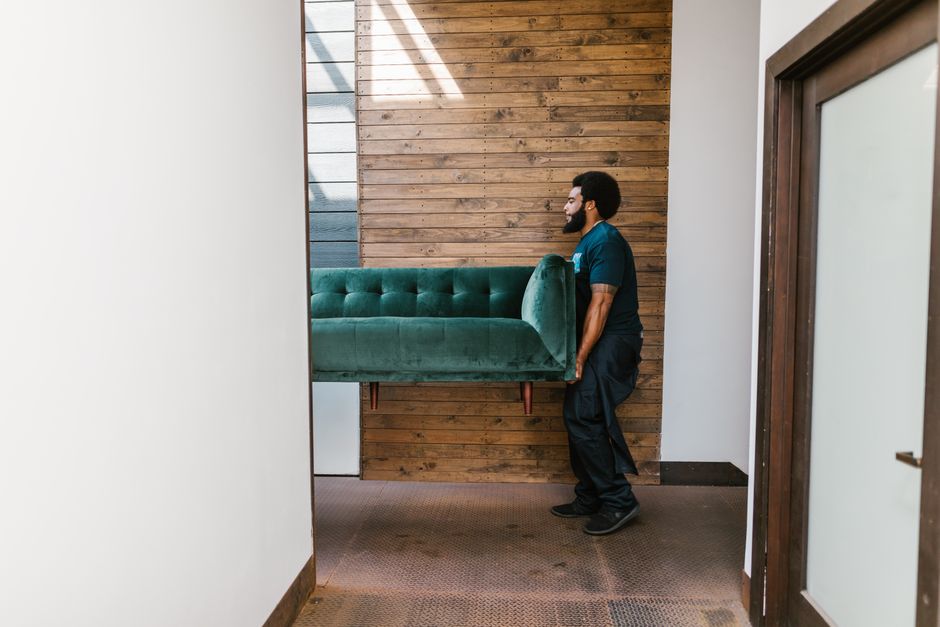
Many homeowners don't realize that certain items become vulnerable during a move. Musical instruments, artwork, antique furniture, and electronics can all suffer from humidity fluctuations. If you have climate-sensitive belongings, your residential move requires extra planning and care.
Why Humidity Matters During a Move
When you transport items from one location to another, they experience changes in temperature and moisture levels. Wooden furniture can warp. Stringed instruments can become unplayable. Artwork can develop mold or have their finish damaged. Electronics can malfunction. These aren't just moving inconveniences—they're losses that affect your quality of life after settling in.
Items That Require Humidity Control
Before your move, identify what you own that's sensitive to moisture:
- Musical instruments (guitars, pianos, violins)
- Fine art and framed pieces
- Antique furniture and wooden pieces
- Vinyl records and rare books
- Vintage electronics and collectibles
- Important documents and photographs
- Leather goods and upholstered furniture
Planning Ahead Makes the Difference
Start by informing our team about these special items when you first contact us. Whether you're moving locally or across a long distance, our packing services are designed to address these specific needs. We understand that your valuable belongings deserve more than standard moving boxes.
How Professional Packing Services Help
Our packing services go beyond bubble wrap and tape. We use moisture-absorbing materials and protective wrapping that helps stabilize humidity levels around your items during transit. For local movers handling nearby relocations, we ensure quick transport times. For long-distance movers covering extensive routes, we use climate-conscious strategies to protect your belongings throughout the journey.
Best Practices for Your Move
Document your humidity-sensitive items before packing. Take photos and write descriptions. This creates a record of their condition. Avoid moving during extremely humid or dry seasons if possible—spring and fall typically offer more stable conditions.
Use plastic storage containers rather than cardboard boxes for particularly vulnerable items. Add silica gel packets inside to absorb excess moisture. Wrap wooden furniture in moisture barriers. Keep artwork flat rather than standing upright when possible.
During Transit and After Arrival
When your items arrive at your new home, don't immediately unpack everything. Allow temperature and humidity levels to stabilize first. This gradual acclimation prevents shock to your belongings.
Our team can advise you on packing strategies specific to your collection during the moving process. Whether you're working with our local movers for a nearby move or our long-distance movers for a major relocation, protecting your humidity-sensitive items starts with professional guidance and careful packing services.
Your belongings have made it this far with you. Let us ensure they arrive safely at your new home.